
As an Amazon Associate I earn from qualifying purchases.
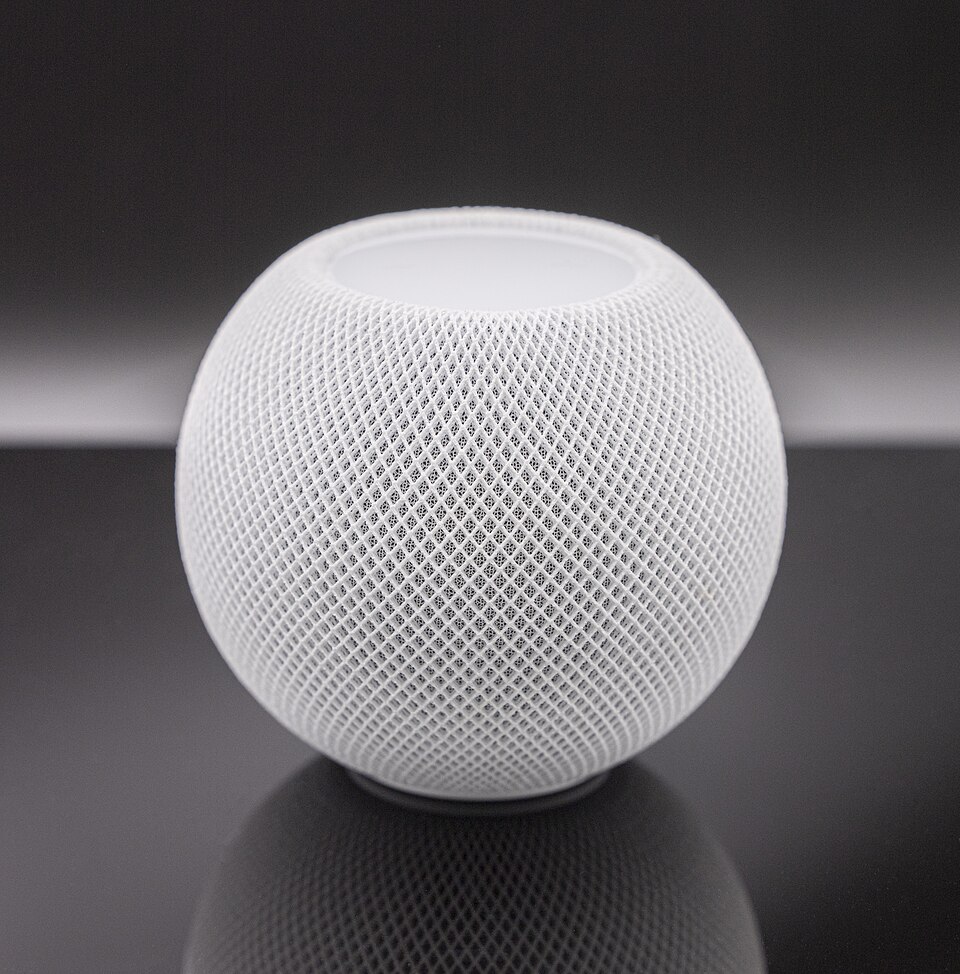
Apple’s original HomePod mini, introduced in 2020, is a compact Siri and AirPlay speaker designed for Apple-centered homes. It is important to distinguish this original model from any later HomePod mini revision. Its value depends on your existing Apple devices, preferred music services, smart-home plans and the price of alternatives.
Editorial buying guide: No verified Amazon product purchase link has been added. Specifications are manufacturer-reported; this article does not claim firsthand testing.
Official hardware specifications
Apple lists a height of 84.3mm, width of 97.9mm and weight of approximately 345g. The original HomePod mini uses a full-range driver with dual passive radiators, a custom acoustic waveguide, computational audio and four microphones for far-field Siri. It supports AirPlay multiroom audio and stereo pairing with a compatible matching HomePod mini. Its small enclosure should not be mistaken for a large room-filling hi-fi system.
Apple ecosystem is the main reason to buy
HomePod mini works best for people who already use an iPhone, Apple Music, AirPlay and the Apple Home app. Siri voice control, timers, reminders, Intercom and playback from compatible Apple devices can make the speaker useful in a kitchen, office or bedroom. Buyers whose household mainly uses Android or wants conventional Bluetooth speaker pairing should investigate compatibility carefully before buying.
Smart home and Thread
Apple lists Thread networking and a temperature/humidity sensor on the HomePod mini, with capabilities subject to software and accessory compatibility. It can participate in an Apple Home setup and help manage supported devices. Thread support does not mean every Matter or smart-home device works automatically; confirm individual accessory support, network requirements and software versions.
Sound and placement tradeoffs
The small speaker can work well for background music, podcasts and voice commands, but bass output and maximum volume are limited by its size. Placement near reflective surfaces can affect perceived balance. A stereo pair can improve separation for suitable content, but requires two compatible speakers and an appropriate setup. Buyers prioritizing deep bass or large-room coverage may prefer larger speakers.
Connectivity and ongoing requirements
Apple lists Wi-Fi 802.11n, Bluetooth 5.0, an ultra-wideband chip for proximity-related features and a 20W power adapter. Bluetooth specifications do not imply generic Bluetooth audio playback like a portable speaker. The HomePod mini is designed for stationary powered use and requires suitable Wi-Fi and Apple ecosystem setup. Check current software compatibility rather than relying solely on its 2020 launch requirements.
Pros, cons and alternative options
Pros include compact size, Apple Home integration, AirPlay, Siri and smart-home features. Cons include Apple-centric setup, no internal battery, limited acoustic scale and less flexibility for non-Apple households. Compare with larger HomePod models for richer sound, and with Alexa or Google/Nest speakers for different voice assistants and ecosystems. Do not assume those ecosystems offer identical privacy or device controls.
Buying checklist and verdict
Confirm that the unit is the original HomePod mini, its color and physical condition, functioning power cable and adapter, Wi-Fi pairing, Apple Home setup and account reset. If buying secondhand, ask the seller to remove it from their Home before transfer. For a household already committed to Apple Home, the original mini can remain useful; for mixed-device households, ecosystem restrictions may be decisive. Related reading: Echo Studio overview.
Official manufacturer documentation
Check the manufacturer’s specifications and support information. Product availability, prices, firmware and service features may change.