
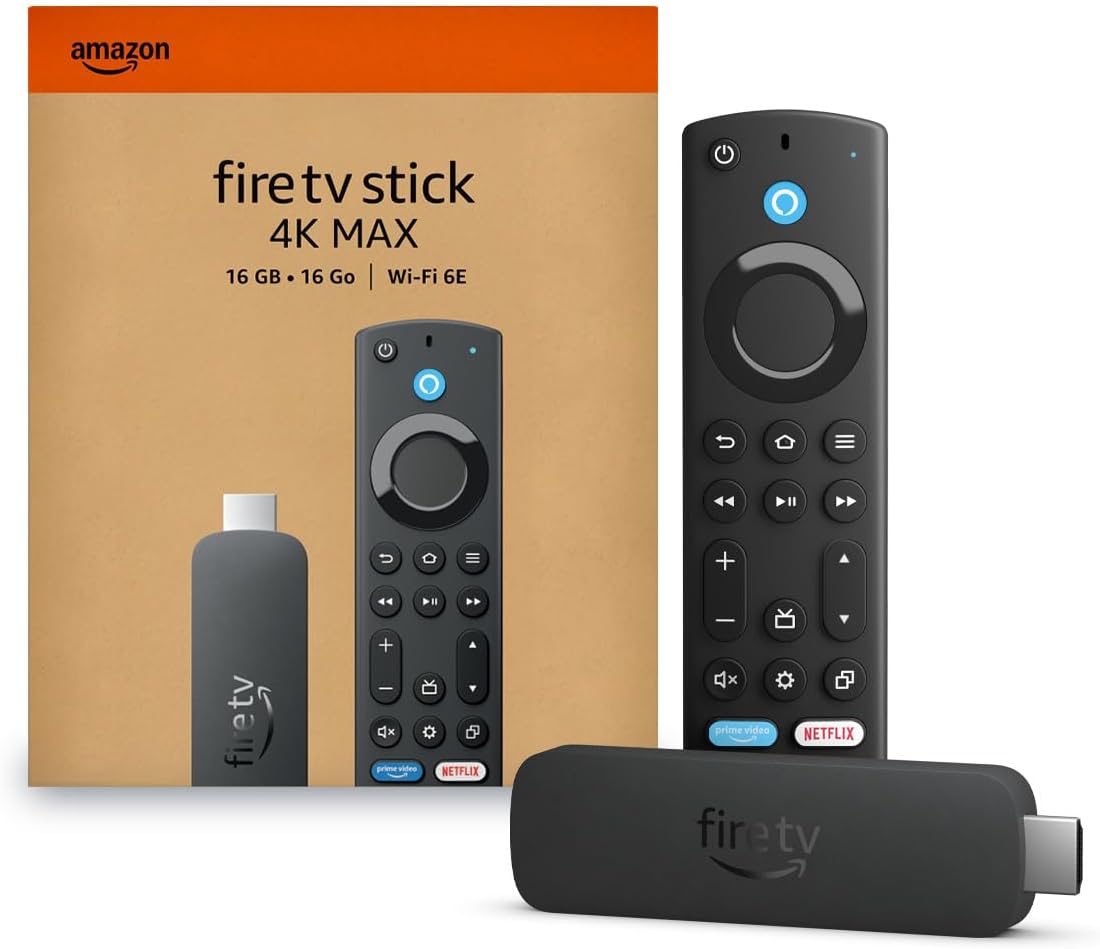

The Fire TV Stick 4K Max is a very smart bestseller because it solves a specific pain point many people actually have: a television that technically works but feels outdated, sluggish, or limited.
Amazon describes the current model as a 4K streaming device with a 2.0 GHz quad-core processor, Wi-Fi 6E support, Dolby Vision, Dolby Atmos, and expanded storage, which makes it clear this is meant to be the premium version of a very practical household tool.
The reason products like this sell so consistently is simple. They improve a device that people use almost every day without asking them to replace that device entirely. That is a strong value proposition. A new TV can be expensive, inconvenient, and unnecessary if the panel itself is fine. A streaming stick, by contrast, is affordable and directly improves the experience people notice most: speed, responsiveness, and access to content.
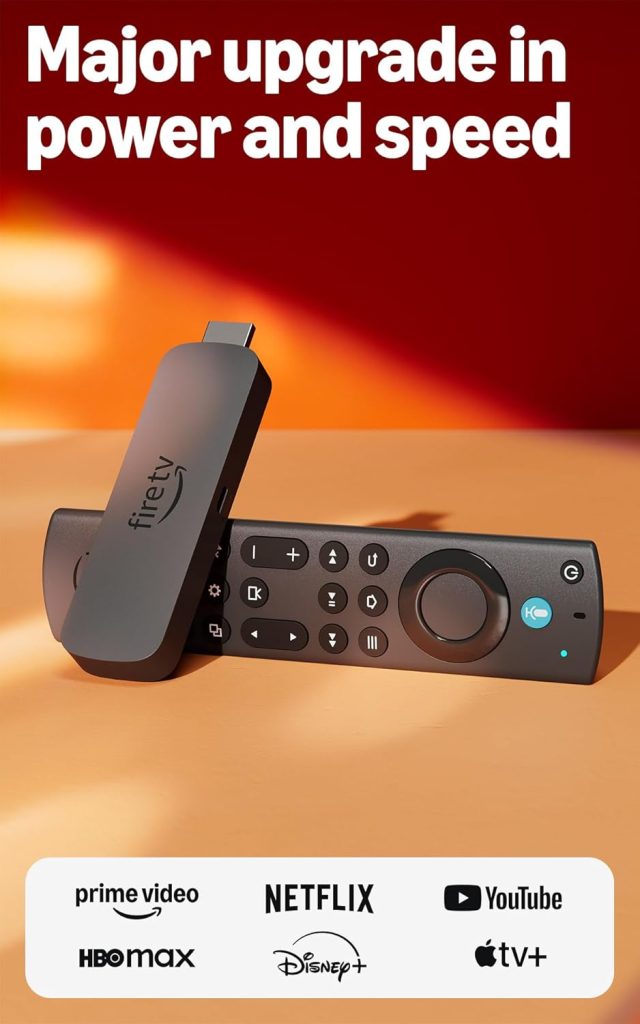
As a review, the most impressive thing about the Fire TV Stick 4K Max is the clarity of its purpose. It is not pretending to be lifestyle technology or futuristic hardware. It is a utility product, and good utility products tend to outperform expectations because they are judged by daily satisfaction. Faster app launches, smoother menus, better 4K playback, and more stable wireless performance matter every single evening. That makes the product feel high value, even if it is not glamorous.
Its 4K credentials are important because streaming standards have become a confusing mix of resolution, HDR formats, and audio support. A lot of buyers do not want to research those things. They want to know that the box they plug in will work well with modern services and modern TVs. Dolby Vision and Dolby Atmos help position the Fire TV Stick 4K Max as something more premium than an entry-level dongle, while Wi-Fi 6E support gives it some future-facing credibility. Even if not every household has the newest network gear, the inclusion signals that Amazon wants this to feel fast and current for a while.
The main limitation is the Amazon ecosystem itself. The interface and recommendation logic will naturally pull users toward Amazon’s content priorities and service integrations. Some people appreciate that cohesion; others prefer a more neutral-feeling platform. But even that tension says something useful about the product: it has become important enough that interface philosophy matters. No one debates ecosystems around irrelevant hardware.
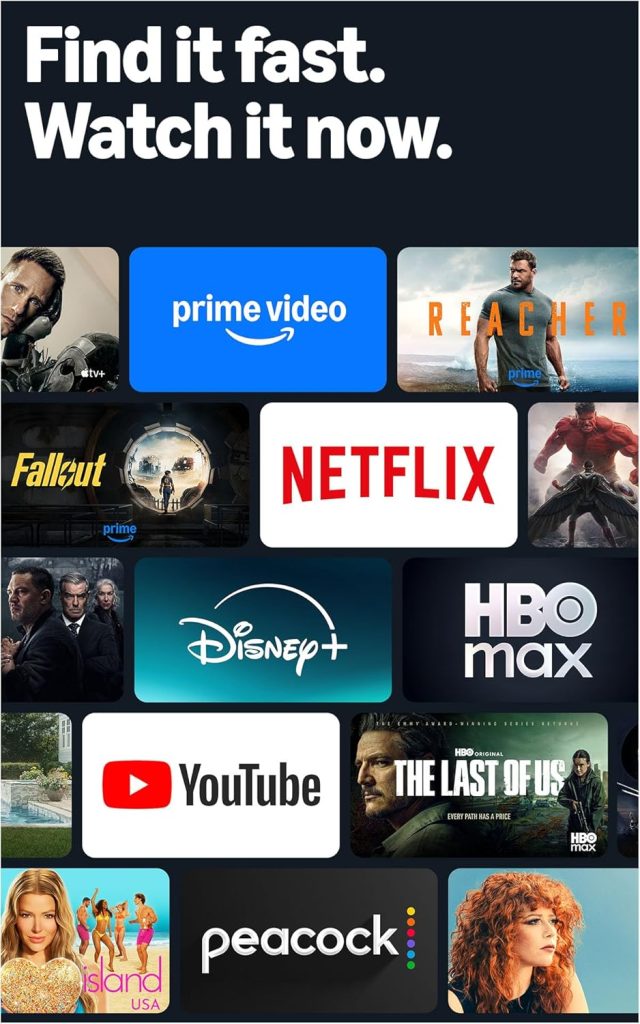
This streaming stick is best for people who want strong performance, modern compatibility, and easy setup without turning home entertainment into a project. It is especially easy to recommend for secondary rooms, older smart TVs, travelers, and anyone who wants a quick upgrade at low cost. In the broader electronics market, that is a sweet spot that almost never goes away. The Fire TV Stick 4K Max succeeds because it offers one of the clearest possible consumer benefits: a better TV experience tonight, not next year. That kind of immediate, repeatable value is exactly what turns a product into a bestseller.
Check out the Apple Watch Series 11!