
As an Amazon Associate I earn from qualifying purchases.
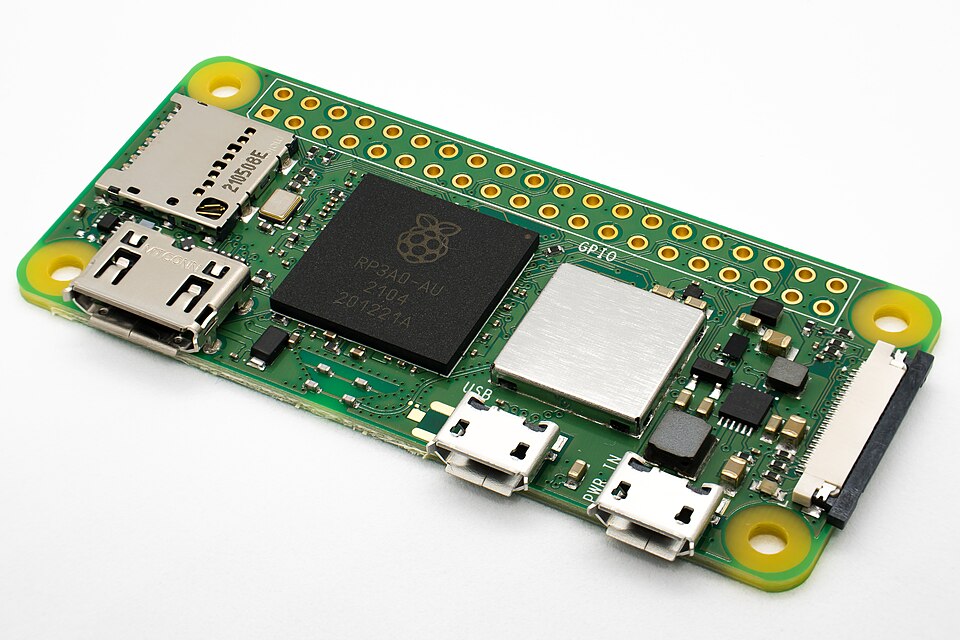
This research-based guide examines Raspberry Pi Zero 2 W for realistic buying decisions, including specifications, advantages, tradeoffs, setup requirements and alternatives. It is not a claim of hands-on testing.
Who should buy it?
Embedded Linux enthusiasts who need an unusually small computer with wireless networking. The purchase makes sense when that particular use case matters more than a headline specification. Decide first what problem the device needs to solve and what equipment you already own.
Manufacturer specifications and their practical meaning
According to the manufacturer: A 1GHz quad-core 64-bit Cortex-A53 processor, 512MB RAM, Wi-Fi connectivity, a compact 65×30mm form factor and a GPIO header footprint. These are published product specifications, not measurements from hands-on testing. Exact regional variants, accessories and software compatibility should be checked against the listing before purchase.
Strongest reasons to consider it
Its tiny board fits behind displays, inside enclosures or into low-profile automation builds. Its main advantage is therefore tied to a concrete workflow rather than an unsupported claim that it is best for everyone. Buyers should weigh that advantage against setup time and any required accessories.
Limitations and reasons to skip it
Only 512MB of memory restricts heavier applications, and the small connectors often require adapters and an appropriate camera cable. No single specification guarantees satisfaction: ergonomics, ecosystem restrictions and setup effort can outweigh technical capability. Buyers with different needs may be better served by a simpler product.
How it compares with alternatives
A Pi 5 has much more headroom for desktop and server tasks, while Pico 2 is preferable for simple microcontroller jobs. This comparison is based on design and intended usage rather than fabricated benchmark results. If you need a specific app, port, peripheral or performance level, verify that requirement separately.
Setup and long-term ownership
Plan for compatible accessories, power and connectivity before ordering. Software updates, documentation, replacement parts and warranty coverage can matter more over time than launch-day specifications. Keep important files backed up where applicable and avoid assuming all third-party accessories are compatible.
Buying checklist
Check header versus no-header version, microSD requirements, power cable, mini-HDMI adapters and supported operating-system images. Check seller identity, return terms, product generation and what is included in the box. This guide deliberately makes no unverified live-price, inventory, retailer-rating or first-hand testing claims.
Bottom line
Raspberry Pi Zero 2 W is most compelling for embedded linux enthusiasts who need an unusually small computer with wireless networking. The strongest purchase decision is one that matches the actual task, required compatibility and complete ownership cost, not just a product headline.